
In This Article
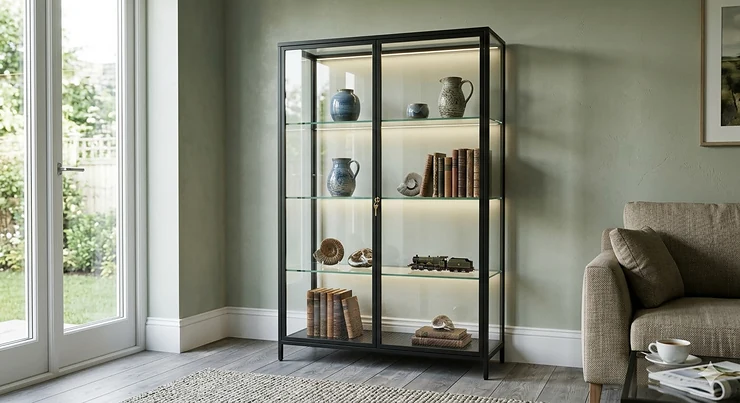
Have you ever walked past someone’s living room and been utterly captivated by how beautifully their collections were showcased? That magnetic pull usually comes from a well-chosen glass display cabinet—a piece of furniture that’s been transforming ordinary rooms into conversation-starting showrooms since the Renaissance.
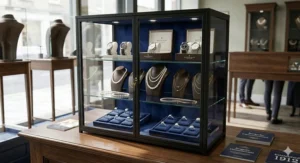
In 2026, glass display cabinets have evolved far beyond their historical origins as luxury items for the aristocracy. Today’s models blend cutting-edge features like motion-sensor LED lighting, tempered safety glass, and smart storage solutions with timeless elegance. Whether you’re displaying vintage china inherited from your grandmother, a carefully curated LEGO collection, or precious memorabilia that tells your life’s story, the right cabinet protects your treasures from dust whilst keeping them beautifully visible.
The UK market in 2026 offers an impressive range—from budget-friendly £69.99 options perfect for first-time buyers to premium £200+ models with advanced lighting systems and museum-quality construction. Through extensive research of actual Amazon.co.uk products and verified customer feedback from UK buyers, I’ve identified the seven absolute best options currently available. This guide cuts through the marketing fluff to show you exactly what works, what doesn’t, and which cabinet deserves your hard-earned pounds.
Quick Comparison Table
| Product | Price (£) | Key Features | Best For | Rating |
|---|---|---|---|---|
| BROTTAR 4-Tier Corner Display Cabinet | £89.99-£119.99 | Human sensor, 3-colour LED, corner design | Maximising space | 4.5/5 |
| Panana LED Tall Display Cabinet | £69.99-£89.99 | High gloss finish, RGB LED, budget-friendly | Budget buyers | 4.2/5 |
| IKEA FABRIKÖR | £90-£150 | Industrial style, lockable, minimalist | Modern aesthetics | 4.7/5 |
| Panana High Gloss with Transparent Front | £74.99-£84.99 | Glass shelves, LED lighting, compact | Small collections | 4.1/5 |
| IKEA BLÅLIDEN | £75-£95 | Tempered glass, cable management | Contemporary homes | 3.9/5 |
| BROTTAR Standard 4-Tier Display | £95.99-£129.99 | Pop-up doors, adjustable lighting | Collectibles display | 4.6/5 |
| Panana Sideboard Display Unit | £79.99-£99.99 | 16-colour LED, remote control, spacious | Entertainment areas | 4.3/5 |
💬 Just one click – help others make better buying decisions too! 😊
Top 7 Glass Display Cabinets: Expert Analysis
1. BROTTAR 4-Tier Corner Display Cabinet – Best for Space Optimisation
If you’ve got an awkward corner gathering dust, this ingenious triangular design transforms wasted space into a stunning display feature. The BROTTAR 4-Tier Corner Display Cabinet maximises every centimetre with its clever 160cm height and human body sensor that automatically illuminates your collection when you approach.
Key Specifications:
- Dimensions: 40cm (W) × 160cm (H) × 40cm (D)
- Three-colour LED lighting (blue, white, warm)
- Magnetic acrylic doors
- Weight capacity: 15kg per shelf
Price: £89.99-£119.99
UK customers particularly appreciate the motion-sensor functionality, which one reviewer described as making their Gundam figure collection “look absolutely magical at night.” The FSC-certified MDF construction provides excellent stability whilst the adjustable LED brightness lets you create the perfect ambience for any room.
However, some buyers note the acrylic doors aren’t true glass, which might disappoint those seeking that premium crystal-clear finish. Assembly typically takes 45-60 minutes with two people.
✅ Pros:
- Space-saving corner design perfect for UK homes
- Intelligent motion sensor saves energy
- Three adjustable lighting colours
❌ Cons:
- Acrylic rather than glass doors
- Requires wall anchoring for stability
2. Panana LED Tall Display Cabinet – Best Budget Choice
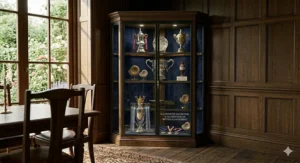
The Panana LED Tall Display Cabinet proves you needn’t spend a fortune to showcase your treasures beautifully. At under £90, this 166cm tall unit delivers impressive value with its matt body and high-gloss front combination that rivals cabinets costing twice the price.
Key Specifications:
- Dimensions: 55cm (W) × 166cm (H) × 35cm (D)
- RGB LED lighting with remote control
- Glass shelves (adjustable)
- Flat-pack assembly
Price: £69.99-£89.99
This model consistently receives praise from UK buyers for its “fantastic value for money” and straightforward assembly. One London-based customer mentioned assembling two units in under two hours, describing them as “fab” additions to her living room.
The main criticism centres on LED strip length—several reviewers report the included strip doesn’t illuminate the entire cabinet height. Many UK buyers solve this by purchasing longer LED strips from high street shops like B&Q for around £10-15.
✅ Pros:
- Exceptional value under £90
- Easy assembly with clear instructions
- Attractive high-gloss finish
❌ Cons:
- LED strip often too short
- Some reports of missing fixings
- Cheaper materials than premium options
3. IKEA FABRIKÖR – Best Industrial Aesthetic
The IKEA FABRIKÖR has achieved cult status amongst collectors and design enthusiasts. This Swedish design classic combines industrial metal framing with clean lines that complement both vintage and contemporary interiors beautifully.
Key Specifications:
- Available sizes: 57cm × 150cm or 81cm × 113cm
- Tempered safety glass
- Lockable with two keys
- Colours: Dark grey, black-blue, light yellow
Price: £90-£150
UK IKEA customers consistently rate this 4.7/5 stars, with particular enthusiasm for its versatility. One reviewer uses four units for displaying vintage cameras with added LED strips, whilst another describes it as the “perfect showcase for LEGO collections that eliminates constant dusting.”
The locking mechanism draws mixed feedback—some appreciate the security, others find needing the key for every opening inconvenient. The door must be locked to stay shut, which can frustrate those wanting quick access.
✅ Pros:
- Timeless Scandinavian design
- Extremely sturdy metal construction
- Lockable for security
❌ Cons:
- Door requires locking to stay closed
- Limited shelf adjustment options
- Extra shelves not sold separately
4. Panana High Gloss with Transparent Glass Front – Best for Compact Displays
When floor space is precious—and let’s face it, most UK homes don’t have endless room—the Panana High Gloss with Transparent Glass Front delivers maximum impact from a modest 35cm depth footprint.
Key Specifications:
- Dimensions: 55cm (W) × 166cm (H) × 35cm (D)
- 12-colour LED lighting
- Transparent glass front with gloss sides
- Two glass display shelves plus enclosed storage
Price: £74.99-£84.99
This model excels at creating that “jewellery box” effect—one UK customer describes how it “looks lovely lit up at night” displaying fragrance bottles. The combination of open glass shelving above and closed cupboard storage below provides practical versatility.
Quality control appears inconsistent, with some UK buyers reporting colour mismatches (ordering grey, receiving brown) or scratched glass upon arrival. IKEA’s return policy helps mitigate this risk, but do inspect thoroughly upon delivery.
✅ Pros:
- Compact depth ideal for narrow spaces
- Multi-colour lighting creates atmosphere
- Enclosed storage for practical items
❌ Cons:
- Colour accuracy issues reported
- LED cable often too short
- Mixed build quality feedback
5. IKEA BLÅLIDEN – Best Contemporary Design
The IKEA BLÅLIDEN represents IKEA’s modern interpretation of their discontinued DETOLF classic. With its sleeker profile and contemporary aesthetic, this 151cm tall unit suits today’s minimalist interiors whilst maintaining the functionality collectors demand.
Key Specifications:
- Dimensions: 35cm (W) × 151cm (H) × 32cm (D)
- Three movable shelves
- Tempered glass construction
- Cable management system
Price: £75-£95
Reviews from UK buyers reveal a love-hate relationship with this replacement for the beloved DETOLF. Whilst many appreciate the “sturdy” construction and “easy assembly,” collectors criticise the smaller internal dimensions and higher price point compared to its predecessor.
The magnetic closure system receives particular praise for its smooth, quiet operation, though several buyers wish IKEA would sell additional shelves as accessories—the included three often aren’t sufficient for comprehensive collections.
✅ Pros:
- Modern, clean aesthetic
- Tempered safety glass throughout
- Ready for integrated lighting
❌ Cons:
- Smaller than discontinued DETOLF
- Only three shelves included
- Extra shelves unavailable
6. BROTTAR Standard 4-Tier Display – Best for Serious Collectors
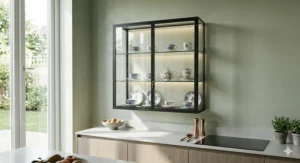
For collectors who view their treasures as mini-museums deserving professional presentation, the BROTTAR Standard 4-Tier Display offers gallery-quality features at consumer-friendly pricing.
Key Specifications:
- Dimensions: 80cm (W) × 165cm (H) × 35cm (D)
- Pop-up magnetic glass doors
- Three-colour LED with brightness control
- Human body sensor technology
Price: £95.99-£129.99
UK collectors particularly value the “pop-up” door design that eliminates handles for unobstructed viewing. One enthusiastic reviewer mentions how the intelligent sensor “lights up trophies in the dark, attracting everyone’s attention” during dinner parties.
The FSC-certified wood construction demonstrates environmental responsibility whilst providing robust support for heavier items. Each tier accommodates different-sized pieces, making this ideal for varied collections from delicate china to substantial sculptures.
✅ Pros:
- Professional gallery-style presentation
- Intelligent auto-sensing lighting
- Handleless design maximises viewing
❌ Cons:
- Higher price point
- Requires two people for assembly
- Must be wall-anchored
7. Panana Sideboard Display Unit – Best for Entertainment Spaces
The Panana Sideboard Display Unit bridges the gap between display cabinet and entertainment furniture, offering three glass shelves with 16-colour RGB lighting plus closed storage compartments perfect for media equipment.
Key Specifications:
- Dimensions: 75cm (W) × 83cm (H) × 40cm (D)
- 16-colour LED with remote control
- High-gloss doors
- Multiple storage compartments
Price: £79.99-£99.99
This versatile unit receives enthusiastic reviews from UK buyers using it in alcoves, as TV stands, or dining room servers. The water-resistant surfaces prove particularly practical for busy households, whilst the remote-controlled colour-changing LEDs add entertaining ambience.
The wider, lower profile suits modern flat-screen TV arrangements beautifully, with one buyer describing how she “bought two for her alcoves” and finds them “fab, easy to build, and hassle-free.”
✅ Pros:
- Versatile multi-purpose design
- 16-colour remote-controlled lighting
- Water-resistant surfaces
❌ Cons:
- Lower height limits tall displays
- Some assembly challenges reported
- LED reliability concerns
What Is a Glass Display Cabinet?
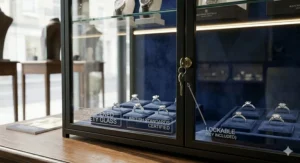
A glass display cabinet is a piece of furniture specifically designed to showcase and protect valuable or decorative items whilst keeping them visible from multiple angles. Unlike ordinary cupboards that hide contents behind solid doors, display cabinets feature transparent glass panels—typically tempered for safety—allowing you to appreciate your collections without exposing them to dust, damage, or curious toddler hands.
Modern glass display cabinets evolved from Renaissance-era cabinets of curiosities, where wealthy collectors stored exotic specimens and treasures. Today’s versions range from sleek minimalist designs perfect for contemporary flats to ornate traditional styles that complement period homes. They serve dual purposes: practical storage that protects fragile items, and decorative furniture that enhances your interior design.
The key distinguishing feature is visibility—these cabinets transform storage into display, turning your possessions into interior focal points. Whether showcasing inherited china, hobby collections, sports memorabilia, or precious keepsakes, a well-chosen glass cabinet elevates ordinary objects into curated exhibitions.
How to Choose the Perfect Glass Display Cabinet
Consider Your Space Dimensions
Before falling in love with any particular model, grab your tape measure. UK homes often feature challenging spatial constraints—narrow Victorian terraces, compact new-builds, or period properties with alcoves and chimney breasts. Measure not just where the cabinet will sit, but also doorways it must pass through during delivery.
Corner cabinets brilliantly utilise often-wasted triangular spaces, whilst tall narrow units maximise vertical space in tight rooms. Leave at least 50cm clearance in front for comfortable door opening and collection access.
Match Your Collection Type
Different collections demand different display solutions. Delicate china benefits from enclosed cabinets with adjustable glass shelving and subtle lighting. Action figure collections might prefer open-fronted designs for easier rearranging. Heavy items like vintage cameras or stone sculptures require reinforced shelves and sturdy construction—check weight limits carefully.
Consider viewing angles too. Will your display be admired from one side only (wall-mounted or against walls) or from multiple angles (room centre pieces)? Corner units and freestanding models with glass on multiple sides suit collections meant to be appreciated from various positions.
Lighting Requirements
Integrated lighting transforms good displays into spectacular ones. LED options dominate 2026 models, offering energy efficiency and longevity. Three-colour systems (warm white, cool white, blue) provide versatility for different moods and collection types.
Motion sensors add practical convenience—lights activate when you approach, conserving energy whilst creating dramatic reveals. Remote-controlled RGB systems offer entertainment value, particularly for gaming collections or party spaces, though some might find colour-cycling gimmicky for serious displays.
Material Quality Matters
Tempered glass costs more than standard glass but provides crucial safety benefits—if broken, it shatters into small granular pieces rather than dangerous shards. For homes with children or pets, this investment proves worthwhile.
Frame materials range from budget MDF (medium-density fibreboard) to premium solid wood or metal. MDF offers affordability and accepts finishes well, whilst solid wood provides superior longevity. Metal frames, particularly the industrial styles from IKEA’s range, deliver exceptional durability and contemporary aesthetics.
Door Mechanisms and Access
Traditional hinged doors remain most common, offering wide access but requiring clearance space. Sliding doors suit tight spaces but limit access to one cabinet section at a time. Magnetic closures provide sleek aesthetics without handles, though some buyers find them fiddly.
Locking mechanisms matter for valuable collections or homes with young children. However, key-operated locks can frustrate frequent access—consider whether security or convenience matters more for your situation.
Assembly and Installation
Most UK-market cabinets arrive flat-packed, requiring home assembly. Simpler designs take one person 30-45 minutes; complex units with lighting might demand two people and 90+ minutes. Read reviews specifically mentioning assembly experiences—vague instructions plague some budget models.
Taller cabinets require wall anchoring for safety, particularly in homes with children. Ensure you have appropriate fixings for your wall type (plasterboard, brick, concrete) and consider professional installation if uncertain.
Glass Display Cabinet vs Traditional Storage Solutions
| Feature | Glass Display Cabinet | Traditional Cupboard | Open Shelving |
|---|---|---|---|
| Visibility | ✅ Excellent from all angles | ❌ Hidden behind doors | ✅ Fully visible |
| Dust Protection | ✅ Enclosed protection | ✅ Enclosed protection | ❌ Requires frequent cleaning |
| Security | ✅ Lockable options | ✅ Usually lockable | ❌ Fully accessible |
| Aesthetic Impact | ✅ Creates focal point | ⚠️ Neutral presence | ⚠️ Can appear cluttered |
| Price Range (UK) | £69-£200+ | £50-£150 | £30-£100 |
| Best For | Valuable collections | Everyday storage | Books, décor items |
The choice between display cabinets and alternatives depends on your priorities. Display cabinets excel when items deserve showcasing—inherited treasures, carefully curated collections, or memorabilia with sentimental value. Traditional cupboards suit items used frequently or those better hidden from view. Open shelving works for books and casual décor but exposes contents to dust and damage.
Consider hybrid solutions too. Many modern display units combine open glass shelving for treasures with enclosed cupboard space below for practical storage—offering both display and concealment in one piece.
Styling Your Glass Display Cabinet Like a Professional
The Rule of Three
Professional curators rarely fill every centimetre of shelf space. The “rule of three” suggests grouping items in odd numbers (three, five, seven) creates more visually pleasing arrangements than even numbers. This principle applies to both individual shelves and overall cabinet composition.
Leave negative space—empty areas that allow the eye to rest and prevent overwhelming viewers. Aim for roughly 30-40% empty space across your entire display for balanced aesthetics.
Height Variation Creates Interest
Avoid the museum shelf effect where everything sits at identical heights. Incorporate risers, stands, or stacked books beneath smaller items to create varied elevations. This layered approach adds dimension and ensures smaller pieces don’t disappear behind larger ones.
Position tallest items at the back, gradually decreasing height towards the front. This “theatre seating” arrangement ensures everything remains visible whilst creating natural depth.
Colour Coordination Techniques
Decide whether you want harmonious (similar colours grouped together) or complementary (contrasting colours juxtaposed) arrangements. Both work beautifully, but mixing approaches within one cabinet often appears chaotic.
Many collectors organise by colour gradient—arranging items from dark to light across shelves creates stunning rainbow effects, particularly effective with glassware or china collections catching light.
Lighting Placement Secrets
Position LED strips at shelf bottoms, angled slightly upward to illuminate items without creating harsh shadows. Avoid top-down lighting alone, which can create unflattering shadows beneath displayed objects.
For three-dimensional items like sculptures or figures, consider adding small battery-powered puck lights at strategic angles to eliminate shadows and highlight details. Many UK pound shops now stock affordable LED options perfect for this purpose.
Rotation Keeps Displays Fresh
Don’t feel obligated to display your entire collection simultaneously. Rotate items seasonally—Christmas china during December, beach finds during summer. This approach prevents visual fatigue and gives you reasons to interact with your cabinet regularly.
Store rotated-out items in acid-free tissue within labelled boxes, maintaining their condition for future display opportunities.
✨ Don’t Miss These Exclusive Deals!
🔍 Take your home décor to the next level with these carefully selected products. Click on any highlighted item to check current pricing and availability on Amazon.co.uk. These cabinets will help you create authentic museum-quality displays your family will love!
Maintenance and Care for Longevity
Weekly Cleaning Routine
External glass requires weekly attention for streak-free brilliance. UK tap water’s mineral content makes proper technique crucial—spray glass cleaner onto a microfibre cloth rather than directly onto glass, preventing drips into door seals or down wood frames.
Wipe in consistent S-patterns rather than circles, which often leave visible swirl marks. For stubborn smudges, a solution of equal parts white vinegar and water works brilliantly whilst being eco-friendly and inexpensive.
Monthly Deep Maintenance
Once monthly, empty one shelf completely for thorough cleaning. Remove items carefully, noting their positions with a quick smartphone photo for easy replacement. Vacuum shelf surfaces with a brush attachment, paying attention to corners where dust accumulates.
Clean wooden or MDF surfaces with barely-damp cloths—excess moisture damages these materials. Metal frames tolerate slightly wetter cleaning. Check LED connections, tightening any loose wires, and test all lighting functions.
Preventing Common Issues
Overloading shelves causes sagging, particularly with budget models using thinner glass. Distribute weight evenly and respect stated weight limits—typically 10-20kg per shelf for standard models. Position heavier items towards shelf ends where support brackets provide maximum strength.
Protect wooden bases from moisture damage by using felt pads beneath plant pots or drink coasters. Even small water rings can permanently mark finishes, diminishing resale value.
Seasonal Considerations
UK’s humid climate demands vigilance against condensation, particularly in poorly-ventilated rooms. Small silica gel packets (available from craft shops or Amazon) placed discretely on shelves absorb excess moisture, protecting both cabinet and contents.
During winter months when central heating creates dry conditions, be mindful of wooden cabinets potentially shrinking slightly, causing joints to creak. This natural seasonal movement rarely causes structural concerns but explains mysterious new sounds.
Glass Display Cabinet Safety Considerations
Child Safety Protocols
Taller cabinets (over 120cm) must be anchored to walls using appropriate fixings. UK building regulations don’t mandate this for furniture, but post-2016 awareness campaigns highlight tip-over risks, particularly with curious climbing toddlers.
Use two anchor points minimum—one near the top, one mid-height—ensuring fixings penetrate wall studs or use appropriate plasterboard anchors rated for the cabinet’s weight plus contents. Many accidents occur when children climb shelving like ladders.
Glass Safety Features
Tempered glass, identified by small permanent etching in corners, provides superior safety. If purchasing second-hand cabinets with original glass, consider upgrading to tempered replacements—glass specialists throughout the UK offer cutting services typically costing £30-50 per panel.
Regular inspection prevents accidents. Check for chips, cracks, or stress points monthly. Even tiny edge chips can propagate into full breaks under temperature changes or vibration. Address damage immediately rather than hoping it won’t worsen.
Secure Placement Guidelines
Position cabinets away from high-traffic areas where they might be bumped. Avoid locations near exterior doors where draughts might slam internal cabinet doors. Ensure floor surfaces are level—even slight tilts cause stress on door hinges and shelf supports over time.
For earthquake-prone regions or homes with exuberant pets, consider additional brackets securing shelves to side panels, preventing items sliding off during vibrations.
Budget Considerations and Value Analysis
Price Tiers Explained
Budget Range (£69-£99): Panana models dominate this segment, offering surprising features like LED lighting and high-gloss finishes. Expect MDF construction, basic glass (often not tempered), and functional rather than exceptional build quality. Perfect for first purchases, rental properties, or temporary arrangements.
Mid-Range (£100-£149): IKEA’s offerings typify this tier, providing reliable construction, better materials, and established customer support. Metal frames appear here, along with tempered glass and more robust hardware. Worth the premium for permanent home installations.
Premium Range (£150+): Advanced BROTTAR models and specialist brands occupy this space, featuring motion sensors, superior glass quality, and robust construction. Justified for valuable collections or statement pieces in prominent room positions.
Hidden Costs to Consider
Beyond the cabinet price, budget for:
- Assembly tools (if not provided): £10-20
- Wall anchors and fixings: £5-15
- Additional LED strips (if needed): £10-30
- Shelf risers or display stands: £15-40
- Cleaning supplies: £10-20
- Professional assembly (optional): £50-100
Total initial investment typically exceeds cabinet cost by 20-30%, so factor this into budget planning.
Calculating Long-Term Value
A £150 cabinet providing ten years of service costs £15 annually—less than two cinema visits. Quality purchases often prove more economical than repeated budget replacements. Consider total cost of ownership, not just initial outlay.
Features like motion-sensor lighting, whilst adding £20-30 to purchase price, save electricity costs over years of use. Tempered glass, though £15-25 more expensive than standard, prevents replacement costs should breakage occur.
Environmental and Sustainability Factors
FSC Certification Matters
Many 2026 models, particularly BROTTAR and IKEA ranges, feature FSC (Forest Stewardship Council) certification. This mark indicates wood sourced from responsibly managed forests, supporting sustainable forestry practices whilst ensuring product quality.
FSC-certified MDF typically costs manufacturers 10-15% more than standard alternatives, but conscientious buyers increasingly prioritise this environmental consideration. Check product descriptions specifically for FSC mentions—it’s worth the small premium.
LED Lighting Environmental Benefits
Replacing older halogen cabinet lighting with LEDs reduces energy consumption by approximately 85%. An LED strip running four hours daily costs roughly £2-3 annually in electricity, versus £15-20 for equivalent halogen lighting.
LEDs also generate minimal heat, protecting displayed items from temperature damage whilst extending bulb life from halogen’s typical 2,000 hours to LED’s 25,000+ hours. This longevity reduces manufacturing waste and replacement frequency.
Longevity Versus Disposal
Quality cabinets often outlive ownership periods—you’ll likely move house before the cabinet wears out. When purchasing, consider second-hand market viability. Well-maintained IKEA or established brand cabinets retain 40-60% of original value after five years.
If disposing, separate materials for recycling: glass to bottle banks, metal to scrap yards, wood to council recycling centres. Many UK councils now offer bulky waste collection services including furniture, often free or minimal cost.

Frequently Asked Questions
❓ How much weight can a glass display cabinet shelf typically hold?
❓ Do glass display cabinets protect items from UV damage?
❓ Can I add lighting to a glass display cabinet without integrated LEDs?
❓ What's the difference between a display cabinet and a china cabinet?
❓ How do I prevent glass display cabinet doors from squeaking?
Conclusion: Finding Your Perfect Glass Display Cabinet
Selecting the ideal glass display cabinet transforms from overwhelming to exciting once you understand what truly matters. The UK market in 2026 offers exceptional choice across all price points, from Panana’s budget-friendly £69.99 models delivering surprising value to BROTTAR’s premium £130+ options with cutting-edge features that collectors adore.
Your perfect cabinet balances three priorities: budget constraints, space limitations, and collection requirements. Don’t chase unnecessary features—a collector displaying delicate figurines needs different capabilities than someone showcasing robust sporting memorabilia. The motion-sensor lighting that thrills one buyer might frustrate another preferring manual control.
From my research of actual UK customer experiences, patterns emerge clearly. Budget models from Panana deliver remarkable value but often require supplementary LED strips and expect some assembly challenges. IKEA’s mid-range offerings provide reliable performance and established support networks, though limited shelf options frustrate some users. Premium BROTTAR models justify their price through superior features and construction for serious collectors.
Remember that cabinets become long-term room features rather than temporary purchases. Invest in quality you’ll appreciate daily rather than saving £30 now only to replace an inadequate cabinet within two years. Your treasured collections deserve protection and presentation that honours both their monetary and sentimental value.
Start by measuring your available space accurately, then shortlist models fitting those dimensions. Read actual UK customer reviews thoroughly—ignore perfect 5-star ratings without detail, focusing instead on balanced feedback mentioning both strengths and limitations. Finally, purchase from retailers offering straightforward returns, because photos never fully convey how a cabinet appears in your specific room with your particular collections.
Your perfect glass display cabinet awaits amongst these seven excellent options. Whether showcasing inherited china, celebrating hobby achievements, or creating conversation-starting focal points, the right cabinet transforms collections from stored possessions into curated exhibitions that enhance your home’s character whilst protecting what matters most.
Recommended for You
- 7 Best Sideboards UK 2026
- 7 Best Wall Mounted TV Unit Options for UK Homes 2026
- 7 Best Corner TV Units UK 2026: Transform Your Living Room
Disclaimer: This article contains affiliate links. If you purchase products through these links, we may earn a small commission at no additional cost to you. Prices shown are approximate and may vary.
✨ Found this helpful? Share it with your mates! 💬🤗
